Why Trump is unhappy with Oman over Hormuz talks
Trump warns Oman as US opposes Iran talks over Strait of Hormuz control
Tensions appear to be rising between the United States and Oman after reports suggested Oman and Iran were discussing plans linked to the Strait of Hormuz, one of the world’s most important shipping routes.
US President Donald Trump strongly reacted to reports that Iran and Oman were discussing a system related to ships passing through the waterway. Trump said the strait should remain open for all countries and warned against any arrangement that could limit free movement or introduce charges for ships.
The issue has become important because the Strait of Hormuz is a key route for global oil shipments and international trade. Any change in how ships move through the area could affect energy prices, trade and international politics.
Why the Strait of Hormuz matters
The Strait of Hormuz is a narrow waterway located between Iran and Oman.
It connects the Persian Gulf with the Arabian Sea and is considered one of the world’s most important trade routes.
A large amount of the world’s oil and gas passes through this route every day.
Because of this, countries across the world closely watch any political tension linked to the strait.
If shipping is disrupted or restrictions are introduced, oil prices could rise and global trade may face problems.
For years, the United States and many Western countries have supported keeping the strait open for free international navigation.
The waterway is considered important for international commerce, especially for countries that import energy supplies.
What Trump said about Oman and Iran
Trump recently made strong comments after reports suggested Iran and Oman had discussed a system related to managing ship movement in the Strait of Hormuz.
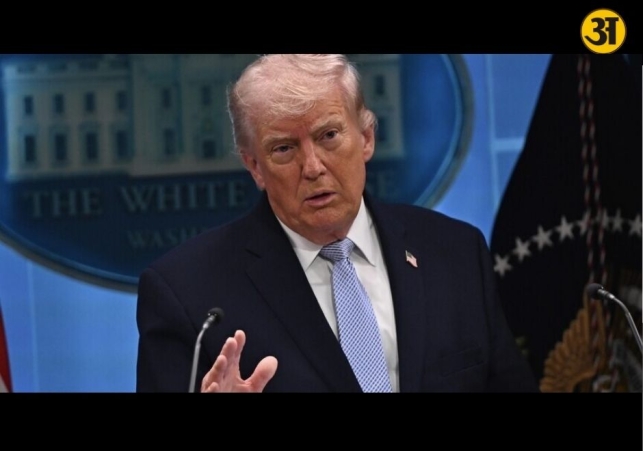
During a press conference, Trump reportedly rejected the idea of Iran and Oman controlling the waterway.
He said the strait should remain open for everybody and suggested that no country should control it.
When asked who should oversee the route, Trump said the United States would watch over it and issued a warning toward Oman if it did not cooperate.
Trump also said a broader agreement involving the United States, Iran and other countries was close to being finalised.
According to his public comments, discussions may include issues related to regional peace and the future of shipping through the Strait of Hormuz.
However, some reports suggest Iranian officials disagreed with parts of Trump’s statements.
Iranian media reportedly said the strait would continue under Iran’s supervision according to draft discussions between Tehran and Washington.
Some Iranian officials also denied reports about giving up important nuclear-related assets as part of negotiations.
This suggests that differences still remain between the two sides despite signs of diplomatic discussions.
ALSO READ: Michelin-star chef shares simple kitchen habits to improve home cooking
ALSO READ: Can a spoon of peanut butter before bed help you sleep better? Experts explain
What Iran and Oman are discussing
Reports suggest Iran and Oman have discussed a possible fee system for ships passing through the Strait of Hormuz.
According to reports, the proposal may involve charging vessels for certain services linked to movement through the waterway.
Iran reportedly created a new authority related to managing parts of the strait and suggested permits may be needed under certain conditions.
At first, Oman reportedly did not support partnering with Iran on such a system.
However, later discussions reportedly included possible economic benefits and sharing of revenue.
According to reports, Oman may have considered using its diplomatic relationships with Gulf countries and the United States to help support the proposal.
Countries reportedly mentioned include Bahrain, Kuwait, Qatar, Saudi Arabia and the United Arab Emirates.
At the same time, Iran and Oman are said to be careful about how they describe the plan.
Instead of calling it a toll system, reports say officials are referring to it as “fees.”
This difference matters because international law treats the two ideas differently.
Why the US is opposing the idea
The Trump administration has strongly rejected any plan that could charge ships for simply passing through the Strait of Hormuz.
Trump has said the route is an international waterway and should remain free.
US officials believe introducing passage-related charges could affect global shipping and make diplomatic agreements more difficult.
US Secretary of State Marco Rubio also criticised the proposal.
He reportedly said such a move would be unacceptable and could damage wider diplomatic efforts.
Experts say international maritime law allows countries to charge reasonable fees for services provided to ships in some situations.
For example, a country may sometimes charge for navigation support, port services or safety assistance.
However, directly charging vessels only for crossing an international waterway may face legal challenges.
This legal difference is one reason why reports say Iran and Oman are using the word “fees” instead of “tolls.”
Why this issue matters globally
The disagreement is about more than just shipping charges.
The Strait of Hormuz is central to world energy markets and global security.
Any disagreement involving Iran, Oman and the United States could affect international trade, diplomacy and oil markets.
If countries begin arguing over who controls access or what fees are charged, tensions in the region may increase.
At the same time, ongoing talks between the US and Iran may shape how the issue develops.
If diplomatic progress continues, countries may eventually find a compromise.
However, if disagreements grow, the issue could become another source of tension in the Middle East.
For now, the United States appears firmly opposed to any system that may limit free movement or introduce charges for ships passing through the Strait of Hormuz.
Meanwhile, reports suggest Iran and Oman continue discussions while carefully balancing economic interests, legal concerns and international pressure.
Related News